
Abstract Art

Abstract Art refers to art that does not attempt to represent an accurate depiction of visual reality, instead using shapes, colours, forms, and gestural marks to achieve its effect, developing strongly from the 1910s onward and reaching a peak with movements like Abstract Expressionism in the 1940s–50s.

Historical & Social Context

Abstraction grew out of earlier movements like Cubism and Fauvism, which had already loosened art's ties to realistic representation. It gained particular momentum in the United States after the Second World War, when many European avant-garde artists fled to New York, and American artists sought a bold new style that expressed freedom and individuality in the postwar era, partly positioning New York as a new global art capital.

Stylistic Characteristics

Non-representational forms — shapes, colour fields, or gestural marks with no recognisable subject; emphasis on the physical act of painting (especially in Abstract Expressionism); large-scale canvases; a focus on colour, texture, and composition as the content itself.

Artists

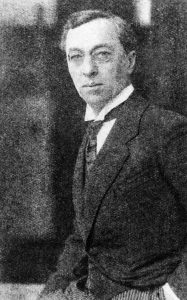
Wassily Kandinsky

An early pioneer of abstraction, believed colour and form could express spiritual and emotional states directly, without needing a recognisable subject.

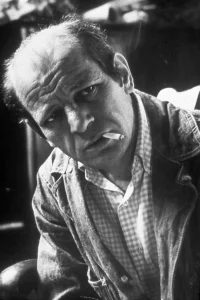
Jackson Pollock

Known for his "drip paintings," created by pouring and flinging paint across canvases laid on the floor.

Artworks

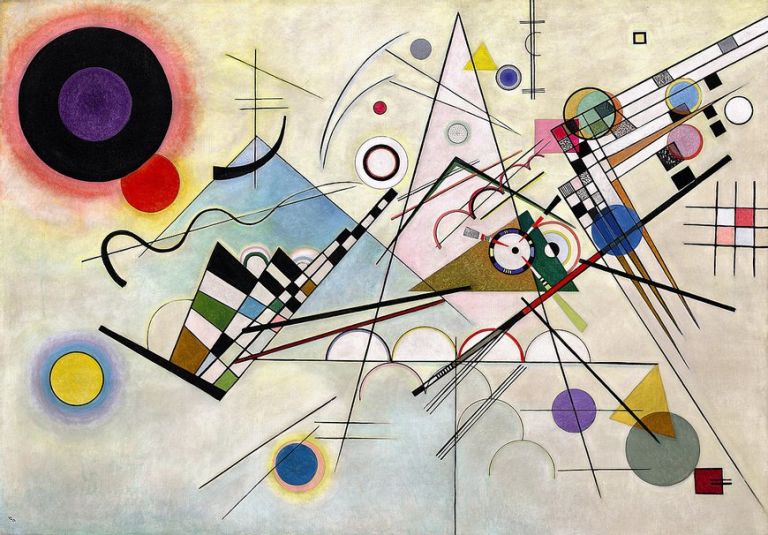
Composition VIII (1923) by Wassily Kandinsky:

An arrangement of geometric shapes and lines with no representational subject, intended to work like visual music.


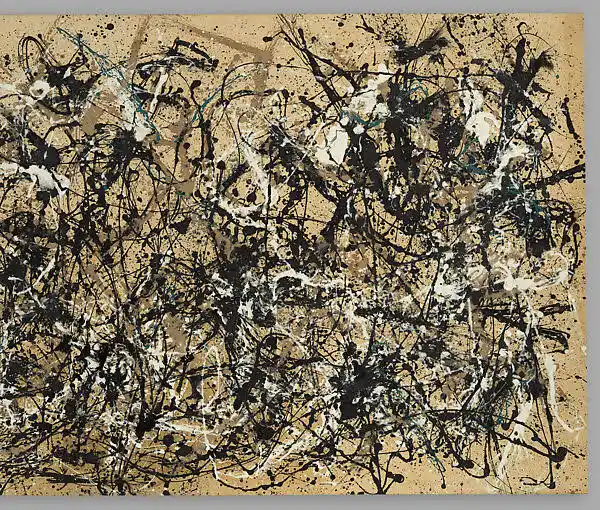
Autumn Rhythm (Number 30) (1950) by Jackson Pollock

A large canvas covered in looping, dripped and splattered paint, recording the physical energy of the artist’s movement.
Influences

Philosophically, ideas linking colour and form to spirituality and music (especially in Kandinsky's writing) encouraged artists to abandon representation entirely. Historically, the devastation of the Second World War pushed many American artists toward art that expressed raw emotion and existential freedom rather than depicting a fractured world. Economically and geographically, the shift of the art market's centre from war-torn Europe to New York gave American abstraction international influence and financial support.

Insights

Abstract Art matters because it removed the need for art to depict anything recognisable at all, proving that colour, shape, and gesture alone can carry meaning and emotion — a foundational idea for almost all art that followed.