Love Art History

This is Love Art History, a blog dedicated to exploring the rich tapestry of art history. Our focus spans across various art eras and movements, delving into the each movement, its artists and their iconic works.

Suprematism

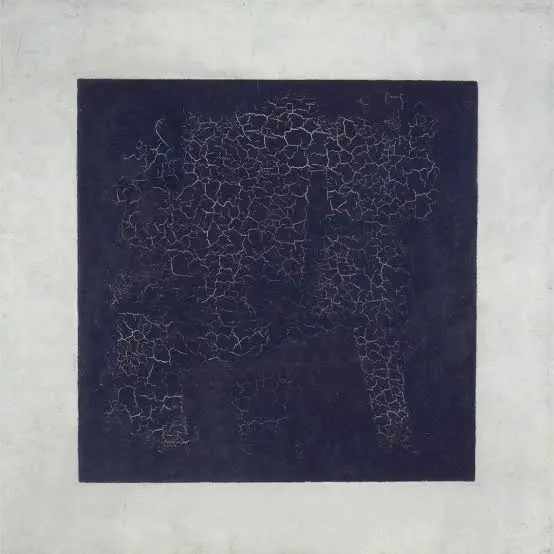
Black Square (1915) by Kazimir Malevich – a black square painted on a white canvas, intended as a "zero point" of painting, stripping art down to its most basic elements. Proun 99 (c. 1923–25) by El Lissitzky – a geometric composition of floating shapes exploring...

Impressionism

Impression, Sunrise (1872) by Claude Monet : A hazy harbour view of Le Havre at dawn, painted quickly with loose strokes of orange and grey-blue. Its title, used mockingly by critic Louis Leroy, gave the entire movement its name. Luncheon of the Boating Party...

Post-Impressionism

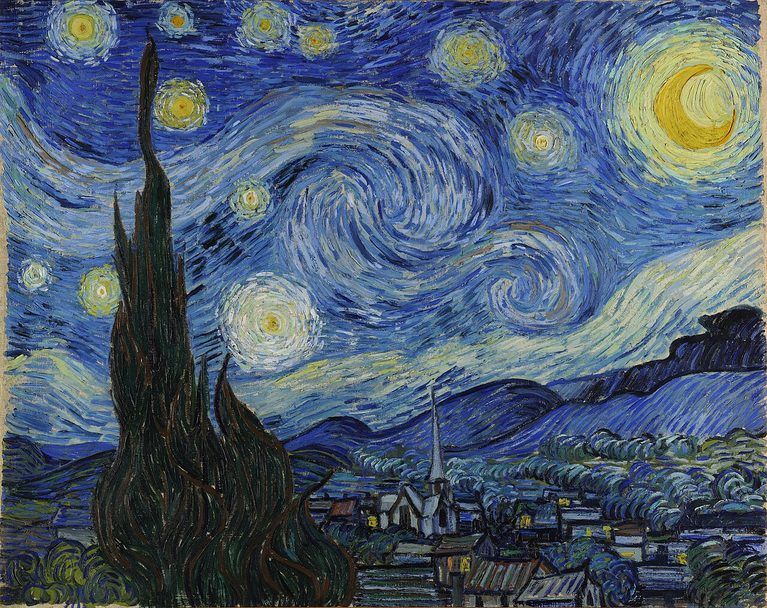
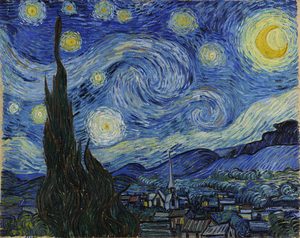
The Starry Night (1889) by Vincent van Gogh: A swirling night sky over a village, painted from memory and imagination to express inner feeling rather than observed fact. The Card Players (1880s–1820s) by Paul Cézanne A series of 5 oil paintings of farm workers playing...

Fauvism

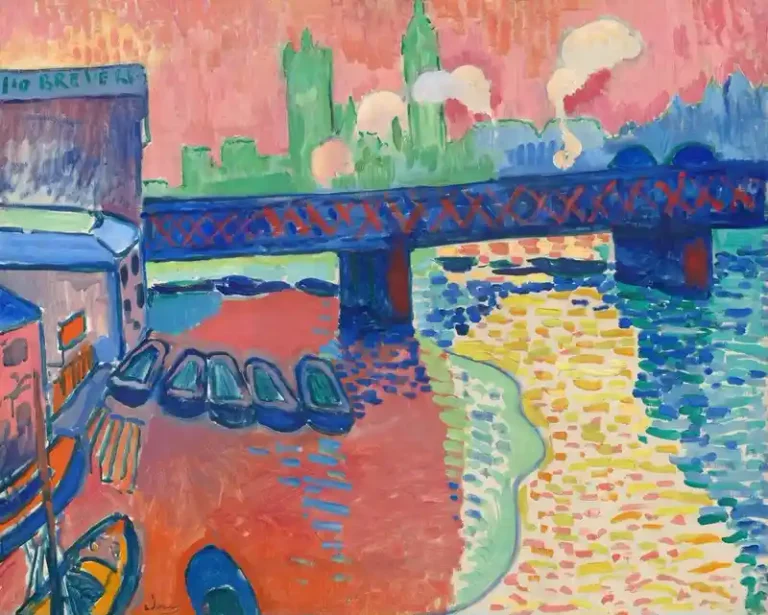
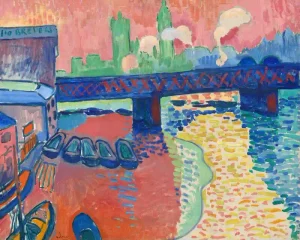
Woman with a Hat (1905) by Henri Matisse A portrait rendered in patches of green, orange, and purple with no attempt at realistic skin tone. Charing Cross Bridge, London (1906) by André Derain A bridge and river scene painted in bright, invented colours rather than...

Expressionism

The Scream (1893) by Edvard Munch A figure on a bridge under a swirling, blood-red sky, its distorted form expressing existential dread. Street, Berlin (1913) by Ernst Ludwig Kirchner Elongated, mask-like figures crowding a city street, conveying the unease of modern...

Cubism

Les Demoiselles d'Avignon (1907) by Pablo Picasso Five angular female figures with mask-like faces, widely seen as the painting that launched Cubism. Violin and Candlestick (1910) by Georges Braque A still life broken into overlapping geometric planes of muted brown...

Futurism

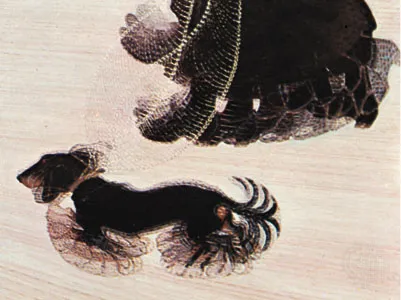
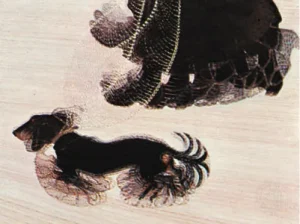
Unique Forms of Continuity in Space (1913) by Umberto Boccioni A bronze sculpture of a striding figure whose body seems to blur and stream with motion. Dynamism of a Dog on a Leash (1912) by Giacomo Balla A small dog's legs multiplied across the canvas to show rapid...

Dada

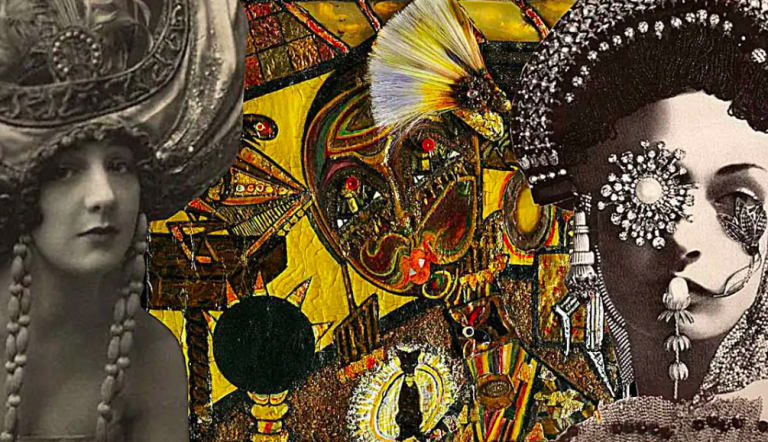
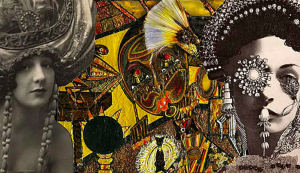
Fountain (1917) by Marcel Duchamp: A standard urinal signed with a pseudonym and submitted as sculpture, challenging the very definition of art. Cut with the Kitchen Knife (1919) by Hannah Höch: A chaotic photomontage combining political figures and mass-media imagery...

Abstract Art

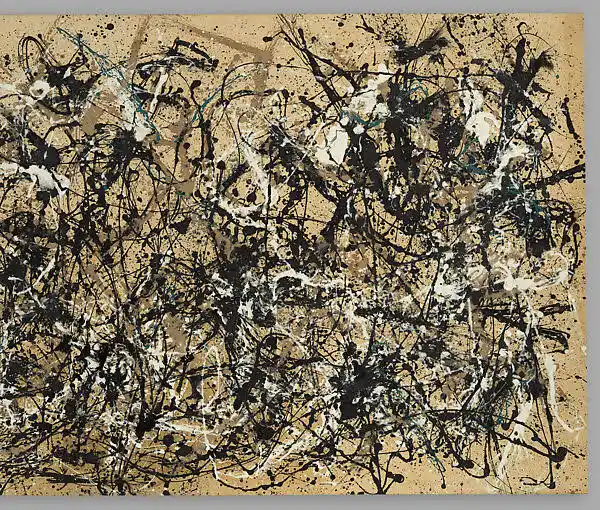
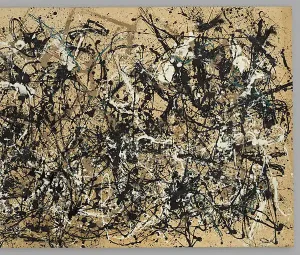
Composition VIII (1923) by Wassily Kandinsky: An arrangement of geometric shapes and lines with no representational subject, intended to work like visual music. Autumn Rhythm (Number 30) (1950) by Jackson Pollock A large canvas covered in looping, dripped and...

Conceptual Art

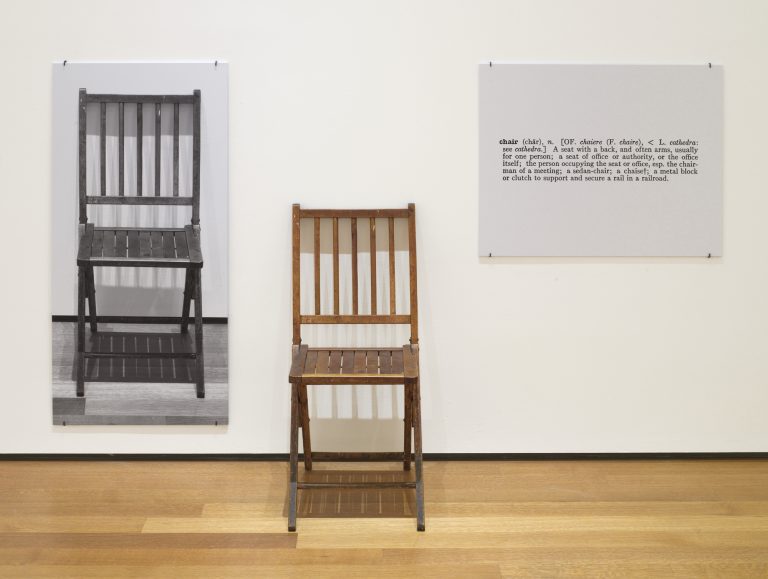
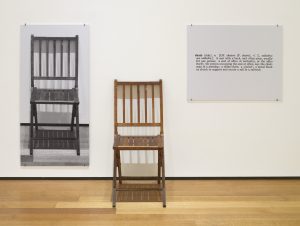
One and Three Chairs (1965) by Joseph Kosuth – a physical chair, a photograph of that chair, and a dictionary definition of "chair" displayed together, questioning what actually represents the object. Wall Drawing #ll series (various, from 1968) by Sol LeWitt –...

Art does not stand still.

Over roughly a century and a half, artists repeatedly broke with tradition, questioned what a painting or sculpture was even for, and responded to the massive social, political, and technological changes happening around them. This blog traces ten of the most important movements in that story, from the sunlit rebellion of Impressionism to the idea-driven art of Conceptual Art. Each post looks at what the movement believed in, who its key artists were, what their artworks looked like, and why the movement still matters today.

Shedon Cilliers

Lorem ipsum dolor sit amet, consectetur adipiscing elit. Maecenas consequat venenatis imperdiet. Integer porta turpis ex, eget pulvinar arcu interdum ac. Donec id nunc et leo pharetra rutrum aliquam sit amet tortor.

Class aptent taciti sociosqu ad litora torquent per conubia nostra, per inceptos himenaeos. Cras magna odio, eleifend et vulputate sit amet, tincidunt sit amet magna. Quisque molestie sagittis nulla, vel posuere diam. Vivamus ut placerat odio, tristique accumsan dolor. Maecenas a accumsan purus. Vivamus scelerisque mauris ante. Phasellus eleifend felis quis sollicitudin pharetra.

Pellentesque habitant morbi tristique senectus et netus et malesuada fames ac turpis egestas. Sed at dolor non elit sagittis fringilla eget in lectus. Nulla et mollis justo, id elementum nunc. Suspendisse risus dolor, sodales non congue eget, vestibulum sit amet ipsum.