Historical & Social Context
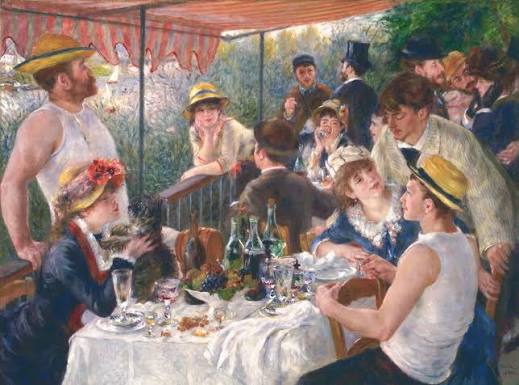
Impressionism took shape in Paris during the 1860s and 1870s, a moment of dramatic urban transformation. Under Napoleon III and city planner Baron Haussmann, Paris was rebuilt with wide boulevards, new parks, railway stations, and department stores, creating a modern city built around leisure, spectacle, and consumption. This new urban middle class had disposable income and free time, weekends at the theatre, boat trips on the Seine, evenings at the café, and it was this modern, everyday life that Impressionists chose to paint, rather than the historical, biblical, and mythological scenes favoured by the official Salon and the state-run École des Beaux-Arts.
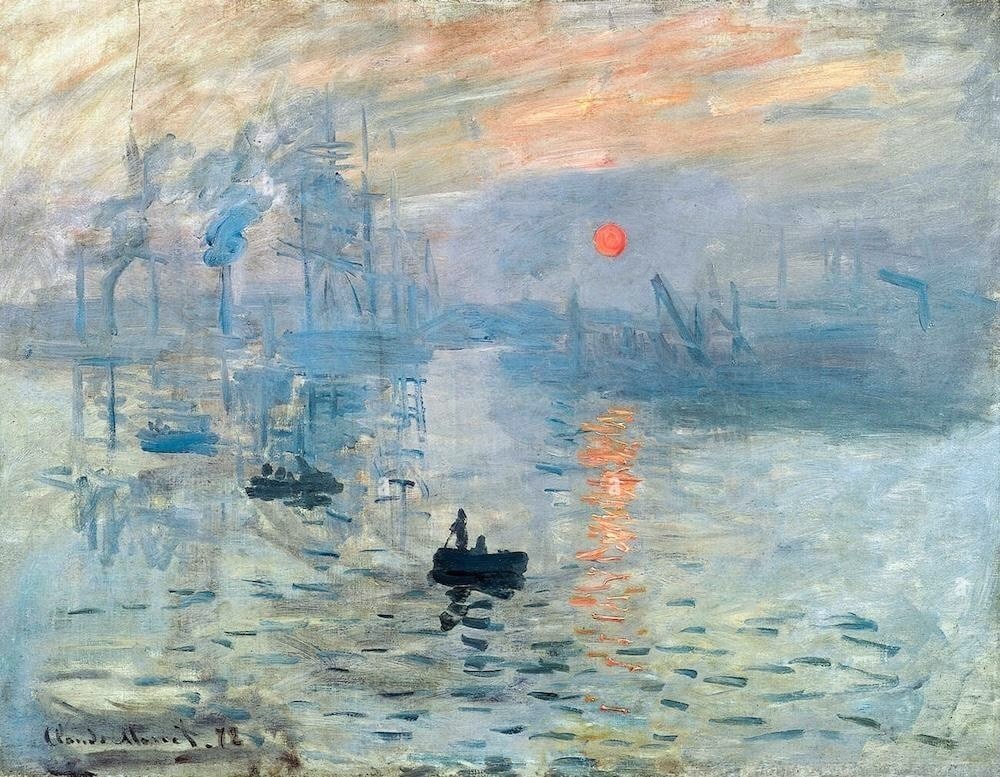
The Salon jury repeatedly rejected these artists' loose, informal work as unfinished and technically careless. After the notorious Salon des Refusés of 1863 (where rejected works were shown separately) and continued rejection through the 1860s, a group of painters led by Monet, Renoir, Pissarro, Degas, and Berthe Morisot organised their own independent exhibitions beginning in 1874, deliberately bypassing the Salon system entirely. This act of institutional defiance was as significant historically as their painting style, it created a new, artist-controlled model for showing and selling work that later movements would also rely on.