

Post-Impressionism

Post-Impressionism refers to a diverse group of artists working mainly in the 1880s–1900s who built on Impressionism's use of colour and light but pushed toward more structure, symbolism, and personal emotional expression. Unlike Impressionism, it was never a single unified style or exhibiting group — it describes several individual painters who each took Impressionism in a very different direction.

Historical & Social Context

By the 1880s some artists felt Impressionism had become too concerned with surface appearance and not enough with form, meaning, or feeling. This was a period of growing interest in psychology, spirituality, and non-Western art (partly through colonial trade and exhibitions), which fed into artists' search for deeper content. There was no single "Post-Impressionist" group or manifesto — the term was coined later by critic Roger Fry to describe artists who shared a starting point in Impressionism but developed very different personal styles.

Stylistic Characteristics

Bold, sometimes unnatural colour used expressively rather than realistically; greater emphasis on structure, geometry, and composition; visible symbolic or emotional content; varied techniques from Pointillism's dots of colour to thick, energetic brushwork.

Artists

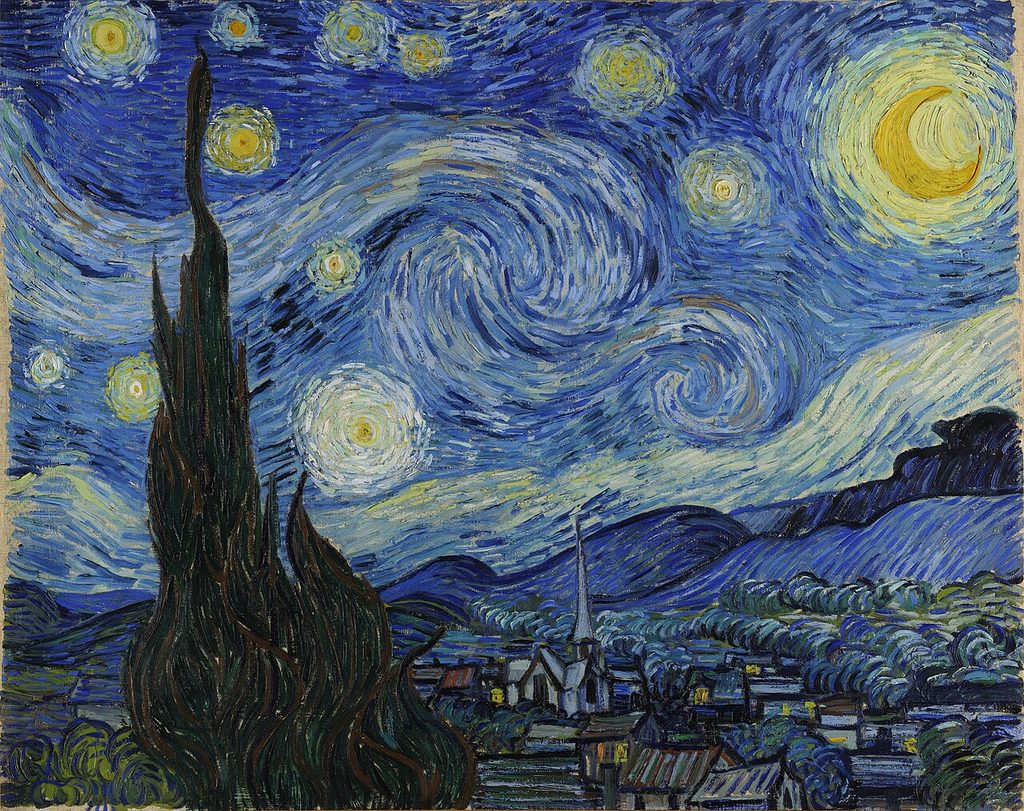
Vincent van Gogh

Used swirling, expressive brushwork and intense colour to convey emotion.

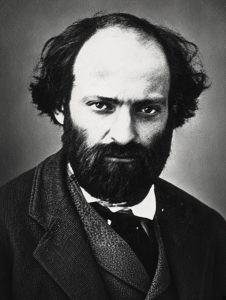
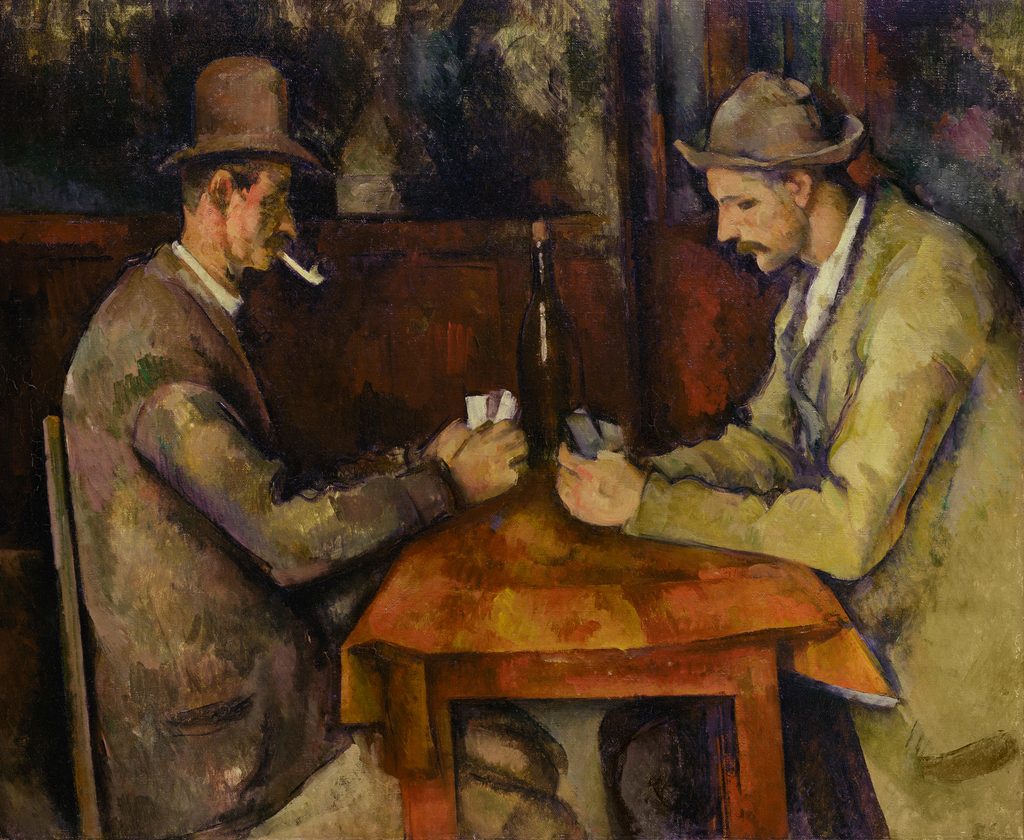
Paul Cézanne

Broke objects into simplified geometric forms, laying groundwork for Cubism.

Artworks

The Starry Night (1889) by Vincent van Gogh:

A swirling night sky over a village, painted from memory and imagination to express inner feeling rather than observed fact.


The Card Players (1880s–1820s) by Paul Cézanne

A series of 5 oil paintings of farm workers playing cards, made up of geometric forms, structured brush work and muted colors.
Influences

Personal and psychological struggles (van Gogh's mental health, for example) shaped how emotion entered the work. Philosophically, growing interest in subjective experience over objective recording influenced how artists thought about representation. Geographically, exposure to Japanese woodblock prints (ukiyo-e), which reached Europe through trade, influenced flattened space and bold outlines in several Post-Impressionists' work.

Insights

Post-Impressionism matters because it proved that art could carry the artist's inner world, not just record the outer one. Its varied approaches — symbolic colour, geometric structure, personal vision — became the seedbed for almost every major movement of the early 20th century.