
Definition: Conceptual Art, developing strongly from the mid-1960s, holds that the idea or concept behind a work is more important than its finished visual or material form.
Historical and Social Context
Conceptual Art grew out of the questioning spirit of Dada and Minimalism, in a decade marked by civil rights movements, anti-war protest, and growing scepticism toward institutions — including museums and the commercial art market. Artists began to ask whether art needed to be a physical, sellable object at all, sometimes producing work as instructions, documentation, photographs, or language rather than traditional paintings or sculptures.
Stylistic Characteristics
Emphasis on idea over craftsmanship or aesthetics; use of text, instructions, documentation, or everyday objects; often minimal or absent traditional “skill”; frequently challenges the viewer to think rather than simply look; can exist as photographs, performances, or written statements rather than permanent objects.
Artists
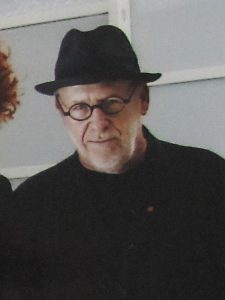
- Joseph Kosuth – known for work that directly examines the relationship between objects, images, and language.
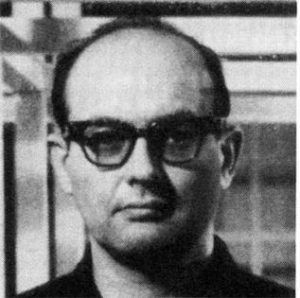
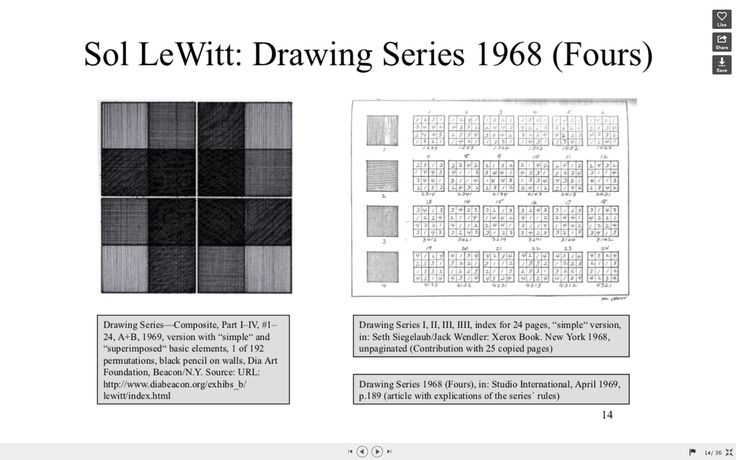
- Sol LeWitt – created wall drawings based on written instructions that others could execute, arguing the idea was the artwork, not the physical execution.
Artworks

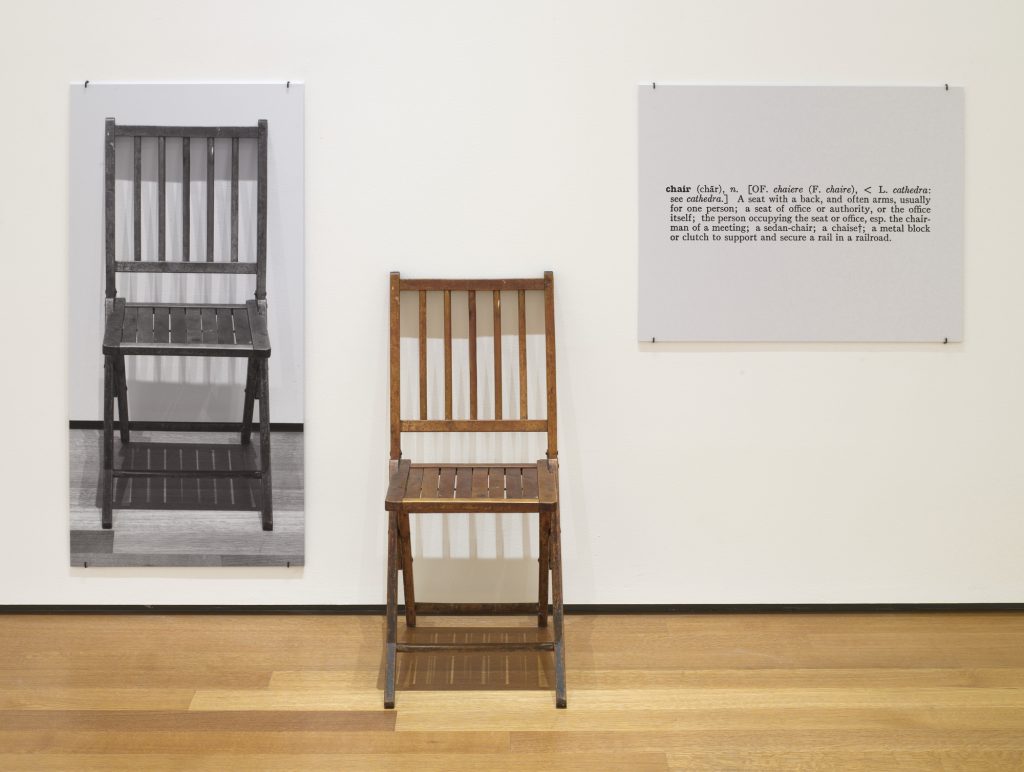
One and Three Chairs (1965) by Joseph Kosuth – a physical chair, a photograph of that chair, and a dictionary definition of “chair” displayed together, questioning what actually represents the object.
Wall Drawing #ll series (various, from 1968) by Sol LeWitt – geometric compositions drawn directly on gallery walls by assistants following LeWitt’s written instructions, with the concept itself credited as the art.
Influences
Philosophically, Conceptual Art was shaped by debates in language and meaning (semiotics) and by Dada’s earlier challenge to what counts as art. Socially, 1960s scepticism toward authority and institutions — including the commercial gallery system — pushed artists to make work that resisted being easily bought and sold. Economically, by removing the precious physical object, some Conceptual artists deliberately tried to resist the commercialisation of art.
Student Insight
Conceptual Art matters because it pushed the question “what is art?” to its furthest point, showing that meaning, not material, can be the true substance of an artwork — an idea that continues to influence installation, performance, and digital art today.
Opinion: Generative AI artwork can be considered conceptual art