


Dada

Dada was an anti-art movement that began around 1916 in reaction to the horror and irrationality of the First World War, using absurdity, nonsense, and provocation to reject traditional artistic values.

Historical & Social Context

Dada was founded in neutral Zurich, Switzerland, by artists and writers who had fled the war, and quickly spread to Berlin, New York, Paris, and elsewhere. Disillusioned by a "civilised" Europe that had produced mass slaughter, Dadaists concluded that reason and tradition — including traditional art — had failed, and set out to mock and dismantle established cultural values through deliberately illogical, provocative work.

Stylistic Characteristics

Use of found objects and "ready-mades"; collage and photomontage; deliberate nonsense, absurdity, and humour; anti-aesthetic, anti-skill approach that challenged the idea of what art even was; performance and provocation.

Artists

Marcel Duchamp

Famous for "ready-made" sculptures made from ordinary manufactured objects.

Hannah Höch

A pioneer of photomontage, cutting and combining printed images to critique society and gender roles.

Artworks

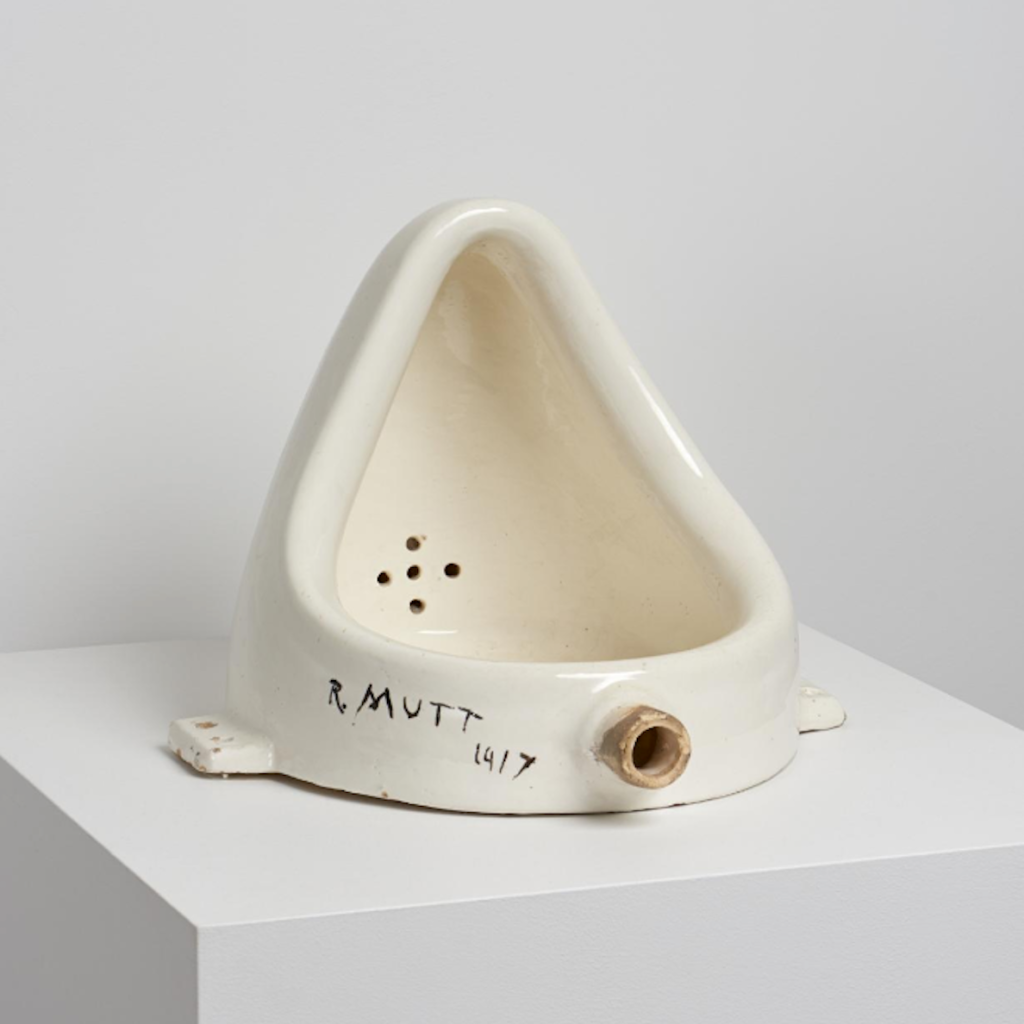
Fountain (1917) by Marcel Duchamp:

A standard urinal signed with a pseudonym and submitted as sculpture, challenging the very definition of art.


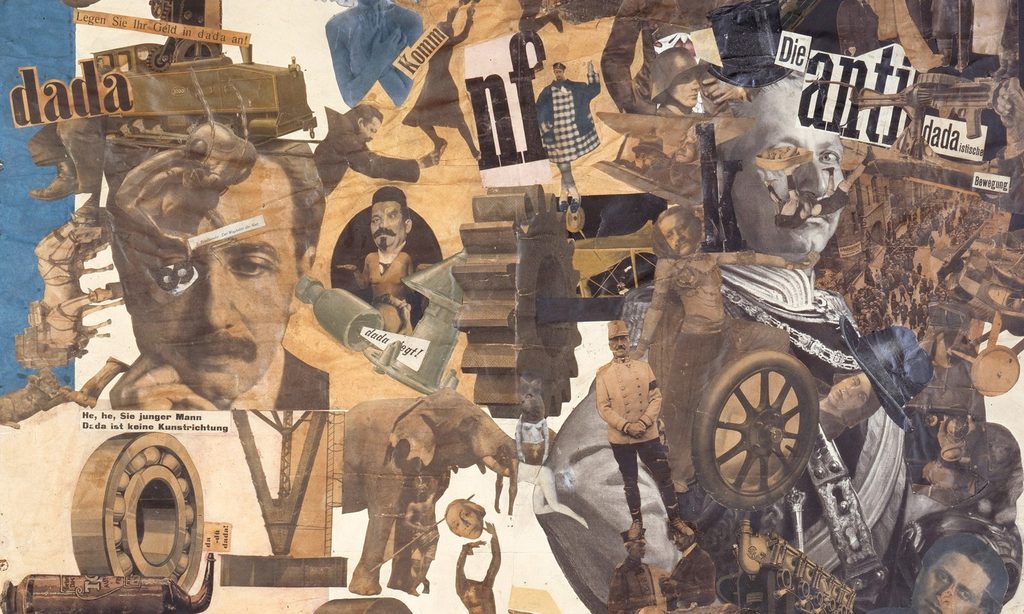
Cut with the Kitchen Knife (1919) by Hannah Höch:

A chaotic photomontage combining political figures and mass-media imagery to satirise Weimar-era society.
Influences

Historically, the trauma and mass death of the First World War directly triggered Dada's rejection of rational, traditional culture. Socially, disgust with nationalism and the institutions that had led Europe into war drove the movement's anti-establishment stance. Philosophically, Dada questioned Enlightenment faith in reason and progress, arguing that "civilised" logic had produced catastrophe.

Insights

Dada matters because it asked, seriously, "what counts as art?" a question that still shapes contemporary art today, especially in Conceptual Art, where the idea behind a work can matter more than its craftsmanship. While the original movement's goal was to rebel, they ended up changing how people view, and question art fundamentally