
Expressionism

Expressionism was a movement, strongest in Germany and Austria in the early 20th century, in which artists distorted form and colour to express intense inner emotion rather than depict the outside world accurately.

Historical & Social Context

Expressionism developed from around 1905 through the 1920s, a period of rapid industrial growth, urban alienation, and rising political tension in Germany and Austria that culminated in the First World War. Many Expressionists reacted against the anxieties of modern city life, war, and social change, using art to voice fear, alienation, and psychological turmoil.

Stylistic Characteristics

Artists

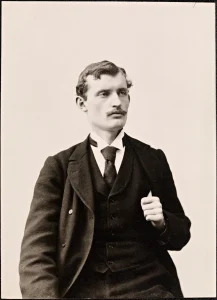
Edvard Munch

A key forerunner whose work captured anxiety and psychological distress.

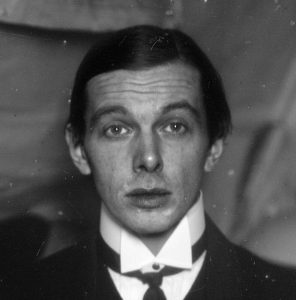
Ernst Ludwig Kirchner

A founding member of the German group Die Brücke, known for angular figures and urban alienation.

Artworks

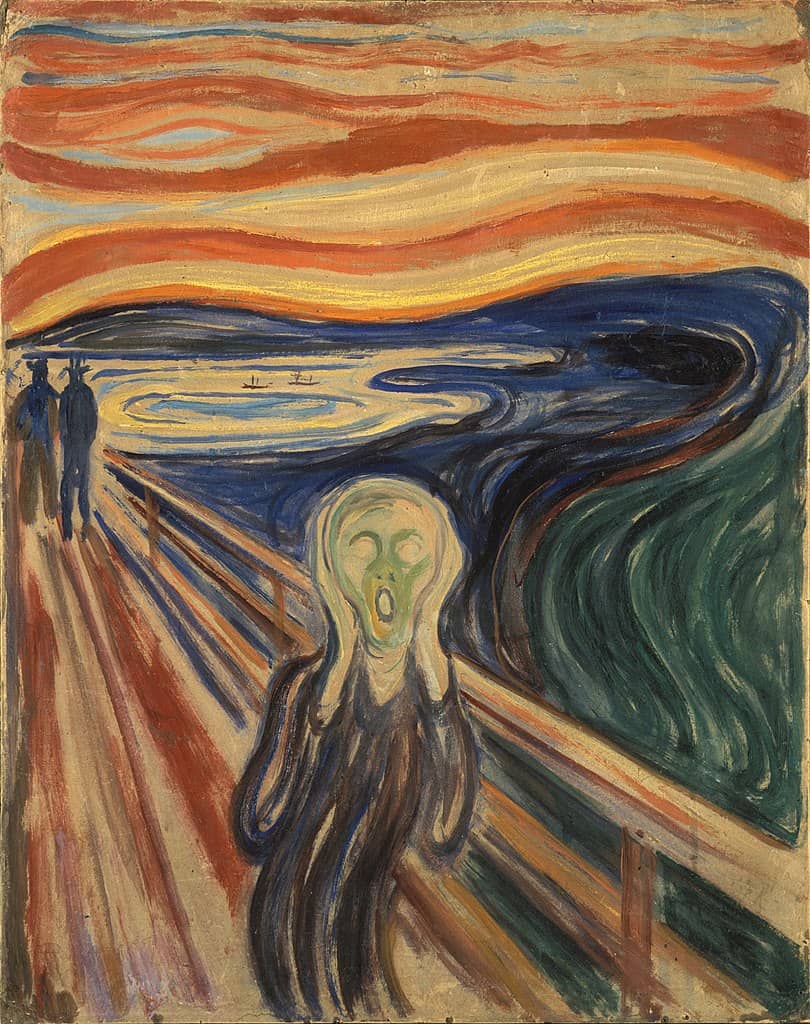
The Scream (1893) by Edvard Munch

A figure on a bridge under a swirling, blood-red sky, its distorted form expressing existential dread.


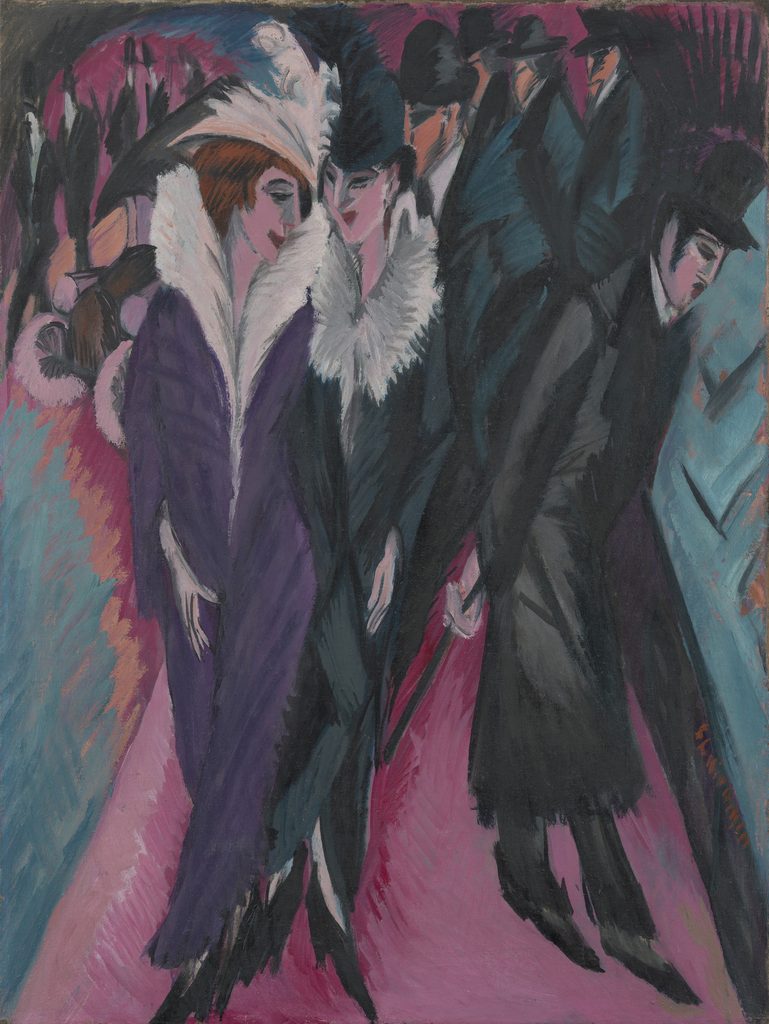
Street, Berlin (1913) by Ernst Ludwig Kirchner

Elongated, mask-like figures crowding a city street, conveying the unease of modern urban life.
Influences

Insights