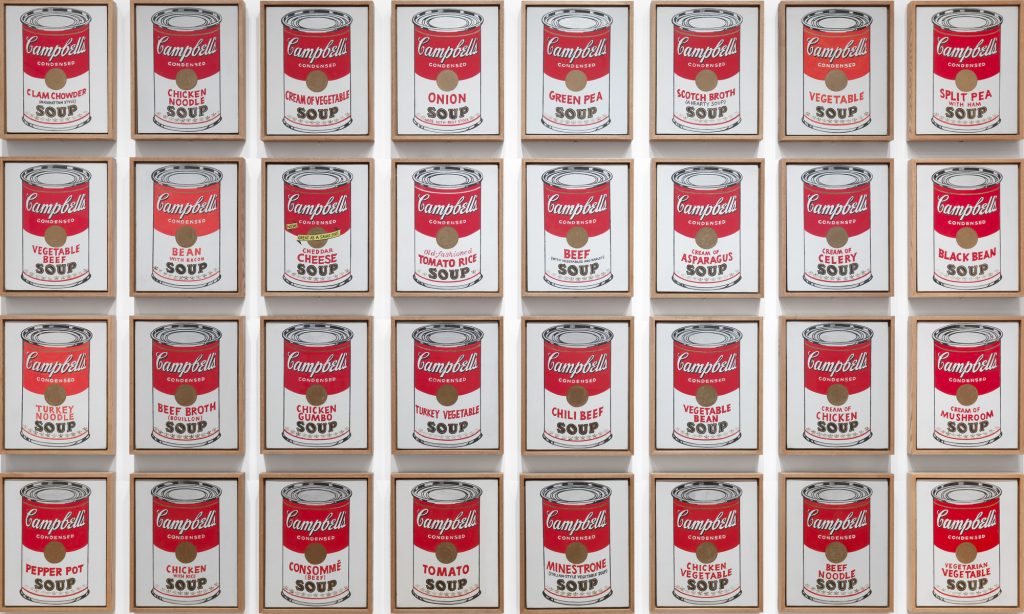
A can of soup does not belong in a museum. That was the joke, and then it wasn’t.
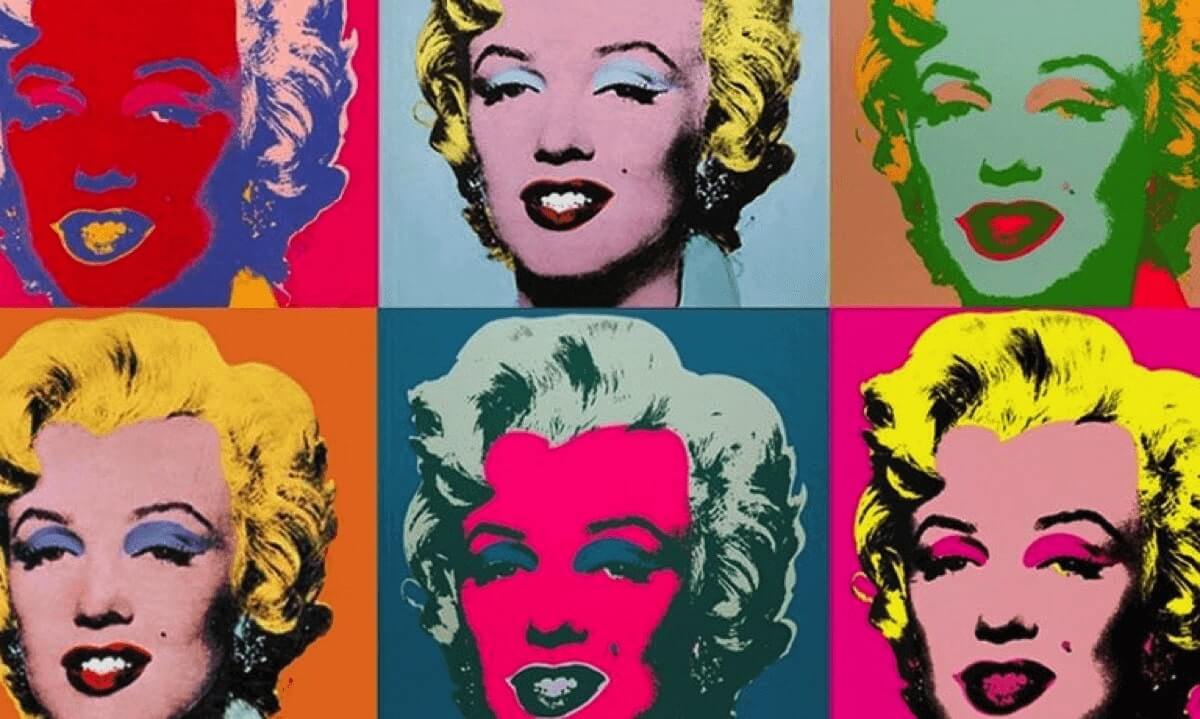
When Pop Art started showing up on gallery walls in the mid-1950s, it took the stuff nobody thought twice about, like soda bottles, comic panels, movie stars, and cereal boxes, and hung it up next to the old masters like it had always belonged there. It hadn’t. That was the point.
Pop Art grew up in two places at once. In Britain, a loose circle of artists and critics called the Independent Group started picking apart American ads and B-movies with the same seriousness other critics reserved for Rembrandt. In the U.S., a slightly different crowd,
Warhol, Lichtenstein, and a few others took that same impulse and ran it through the machinery of mass production itself:
Screen Printing
Ben-Day dots
Assembly-line repetition
They weren’t just painting consumer culture. They were manufacturing it, the same way a factory would produce thousands of products. It was also a rebellion, though a strange, deadpan one. Abstract Expressionism had turned painting into something private and heavy — big gestures, bigger feelings, a canvas as a window into someone’s psyche.
Pop Art shrugged all that off. No tortured brushstrokes, no hidden meaning. Just a soup can, rendered exactly as flat and cheerful as it looked on the shelf. Which is why it still matters. Pop Art didn’t just borrow from advertising and celebrities, it argued, seriously, that the surface of everyday life was worth looking at closely.
That argument never really left. It’s in street art, in meme culture, in half of what shows up in your Instagram feed without anyone noticing the lineage. Pop Art didn’t lower the bar for what counts as art. It just pointed at the bar everyone already lived under and said: look at this.
Leave a Reply